Objects, reflections, and atmospheres designed to soften spaces and awaken emotion. A dialogue between the sun and the sanctuary.
Scroll to Feel
The Philosophy
Light transforms space without touching it.
"Light gives presence to silence."
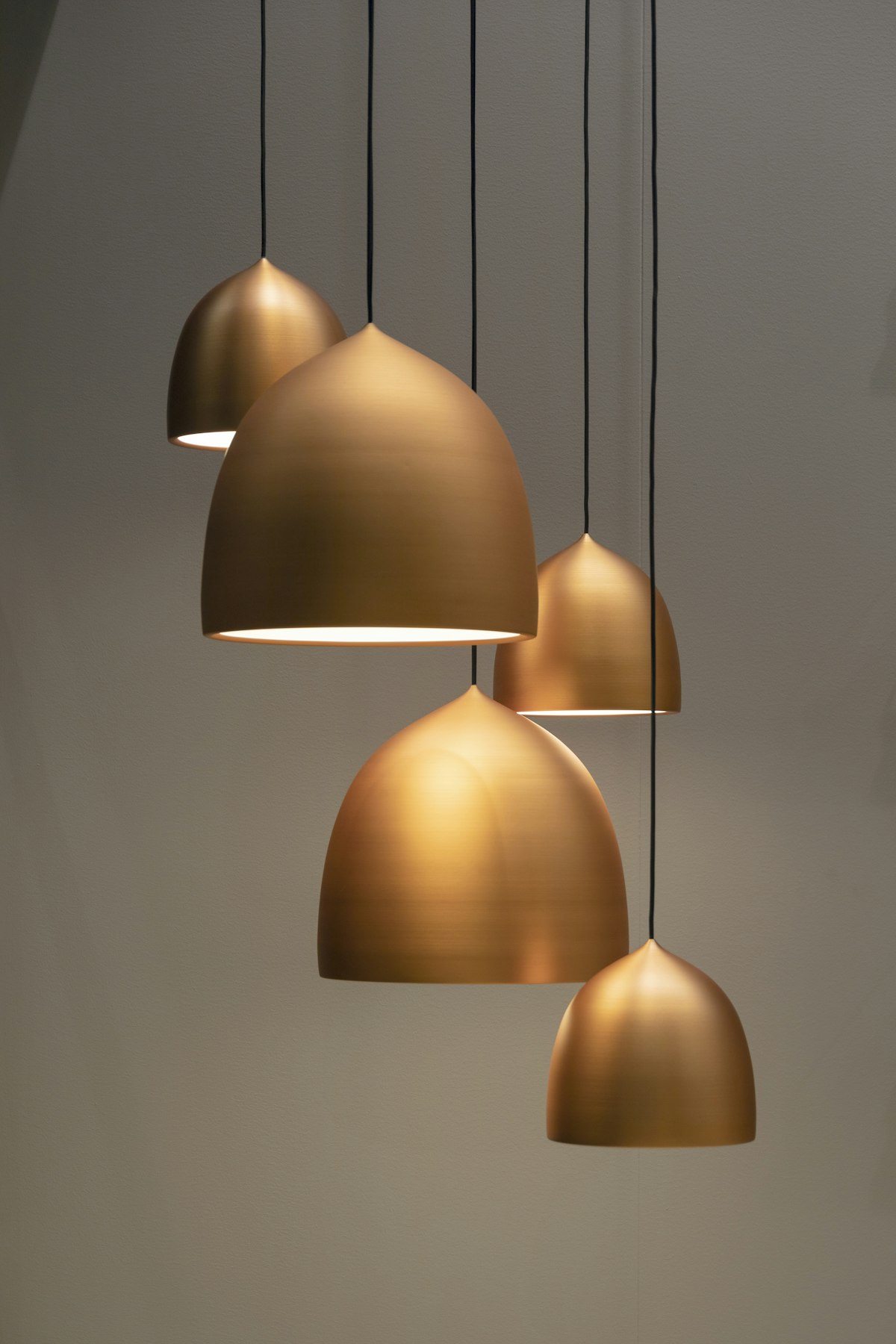
We believe the glow of a lamp should be as organic as the setting sun. Our studio explores the intersection of glass, warmth, and architecture to create objects that don't just illuminate, but comfort.
Note on Warmth
Our LEDs are tuned to 2200K—the exact color of a burning candle at dusk.
Luminous Objects
The Atelier
The Collection.
Living in Light.
Each room carries a different rhythm. Light should not unify them—
it should listen, respond, and soften where needed.
Bedroom Light Placement.
Sleep begins before the eyes close.
The body reads light as instruction.
Avoid ceiling fixtures wherever possible.
Instead, position light at ankle to waist height,
allowing illumination to rise slowly across walls and textiles.
Asymmetry is encouraged.
Two identical lights create balance,
but a single, offset glow creates calm.
Place lamps behind rather than beside the bed
Never direct light toward the face
Warmth between 2000K–2200K only
Reading Light, Reimagined.
Reading is not brightness —
it is contrast softened at the edges.
Position light sources slightly behind the shoulder,
angled toward the page but diffused outward.
The page should glow.
The room should remain quiet.
Reflected light reduces eye fatigue
and encourages longer, uninterrupted focus.
“If you notice the lamp, it’s too bright.”
Light Over the Table.
Dining light should hover — never spotlight.
It exists to connect faces, not display plates.
The ideal pendant sits low enough
to define the table as a shared island,
yet high enough to leave conversation in shadow.
Matte interiors and fabric shades
prevent glare and soften reflections on glassware.
Warm light only
Single source preferred over multiple
Dim slightly before serving
Bathing as Ritual.
Bathrooms ask for clarity,
but they deserve atmosphere.
Conceal light sources wherever possible.
Let illumination arrive indirectly,
bouncing off plaster, tile, or steam.
Shadows soften reflections.
Faces appear kinder.
Time slows.
“The bath is not for seeing clearly —
it is for letting go.”
In Between Spaces.
Hallways do not exist to be remembered.
Yet they shape how we arrive.
Continuous, low-level lighting along floors or walls
creates a sense of movement without urgency.
Avoid overhead fixtures.
Think of light as guidance, not command.
Reflections
The Light Journal.
Notes on the poetry of illumination.
Issue 04 • Architecture
The Language of Soft Light
In modern architecture, light is often treated as a utility—a way to see.
But in the MODERNLIGHTS philosophy, light is the material itself.
We explore how shadows define depth, how corners hold silence,
and why restraint often feels warmer than brightness.
Issue 03 • Ritual
Night Rituals & Illumination
Evening light is a signal, not a setting.
We trace how gradual dimming prepares the mind for rest,
and how intentional illumination transforms ordinary evenings
into moments of quiet ceremony.
“Darkness is not the absence of light,
but the space where light becomes meaningful.”
— Journal Note, Winter
The Archive
Earlier Volumes
Issue 02 • Material
Glass, Diffused
On thickness, texture, and why imperfect glass carries
light more gently than flawless surfaces.
Issue 01 • Atmosphere
Designing for Dusk
The hour between day and night reveals what artificial
lighting often hides.
Essay
The Emotional Temperature of Light
Why warmth is felt before it is measured,
and comfort before it is named.
A journal meant to be read slowly.
We publish sparingly. Each entry is written to be returned to—
not consumed and forgotten.
Issue 04 • Architecture
The Language of Soft Light
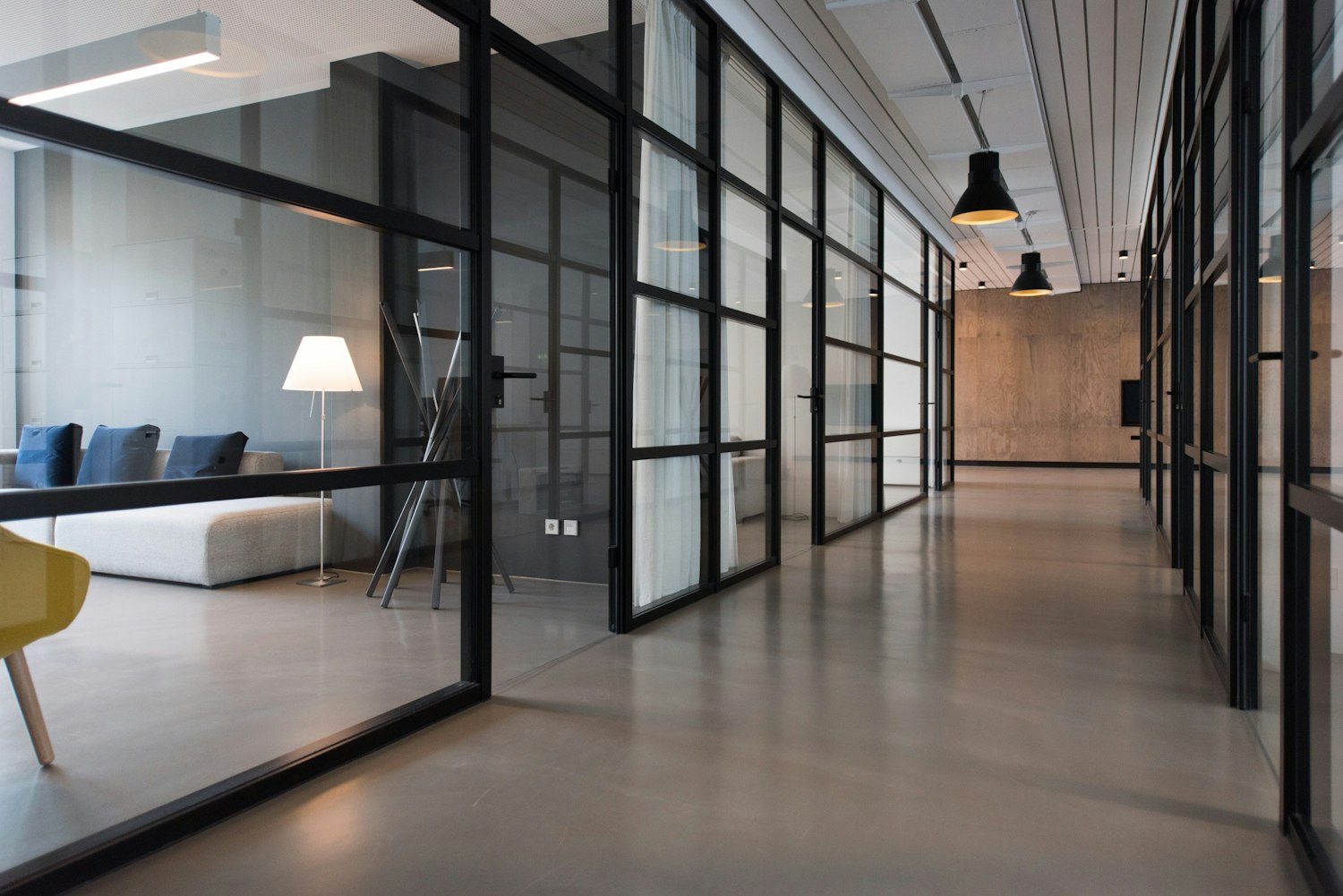
In architecture, light is rarely neutral. It directs movement, implies hierarchy,
and defines emotional boundaries long before a wall is perceived.
Hard light describes. Soft light suggests. One outlines objects clearly,
the other allows them to dissolve gently into their surroundings.
The latter is where intimacy lives.
Corners become deeper. Ceilings feel higher. Surfaces no longer announce
themselves immediately—they wait. In this waiting, rooms gain patience.
Our studio treats shadow not as absence, but as structure. It is the
negative space that makes warmth perceptible. A room without shadow
feels exposed, no matter how beautifully furnished.
Soft light does not seek attention. It earns trust over time.
Issue 03 • Ritual
Night Rituals & Illumination
Evening light signals transition. It marks the boundary between performance
and rest, between awareness and release.
A single warm lamp can slow the nervous system faster than silence.
This is not poetry—it is biology. The body recognizes dusk as safety.
Bright overhead lighting tells the mind to remain vigilant.
Diffused, low-positioned light invites permission to stop.
We recommend three layers for evening illumination:
one ambient, one directional, and one purely emotional.
The last exists solely to be felt, not used.
Night rituals are not indulgence. They are maintenance.
 Issue 04 • Architecture

